Cybersecurity leaders, often known as CISOs, navigate a relentless torrent of threats daily. While their gaze often fixes on the familiar terrain of internal networks and endpoint defenses, there's a sprawling, less-charted wilderness that quietly keeps them up at night: the external attack surface. It's the sum total of an organization's internet-facing assets, an expansive, frequently misunderstood landscape, and, let's be real, an open invitation for attackers seeking the path of least resistance. Many a CISO finds themselves staring at the ceiling, contemplating the lurking dangers of forgotten infrastructure, the pervasive creep of shadow IT, and those unmanaged assets that collectively form their digital perimeter.
This discussion delves into the profound, often overlooked, risks of neglecting your external attack surface, offering tangible strategies to reclaim command. We'll unearth common blind spots, dissect the ever-shifting threat landscape, and demonstrate how a proactive stance—powerfully augmented by solutions like TRaViS—can dramatically shrink your organization's risk footprint. By genuinely understanding and meticulously managing your external attack surface, you’re not just mitigating risk; you're converting a critical vulnerability into a formidable defensive advantage.
Unmasking the Ever-Expanding Digital Frontier

So, what exactly fuels this continuous growth of the external attack surface? Picture this: cloud adoption surges, remote work becomes the norm, mergers and acquisitions reshape corporate structures, and then there's the relentless proliferation of IoT devices. Each new asset connected to the internet, however seemingly benign, meticulously expands the array of potential attack vectors for malicious actors. This isn't merely about your shiny new web applications or APIs; it encompasses everything from DNS records and email servers to exposed databases, and even those delightfully mundane marketing landing pages or development environments you might've forgotten about.
Perhaps the most vexing challenge is the sheer mystery of what actually exists out there. Shadow IT, where departments or individuals, bless their well-intentioned but often reckless hearts, deploy resources without a peep to the official IT channels, only muddies the waters further. These rogue assets, predictably, tend to operate without adequate security controls, making them astonishingly easy pickings for adversaries. It’s hardly surprising, then, that nearly one-third of enterprise security breaches are reportedly linked to shadow IT, a finding that should give anyone pause.
Organizations, frankly, often grapple with maintaining any semblance of an accurate inventory of their external assets. Manual processes? They're practically an exercise in futility—time-consuming, riddled with errors, and prone to missing crucial details. And traditional vulnerability scanners, while useful, frequently overlook critical vulnerabilities or fail to pinpoint those pesky shadow assets altogether. This chronic lack of visibility crafts a perfect storm, leaving organizations disturbingly exposed. Enter TRaViS, which steps into this quagmire by providing continuous discovery and asset inventory, ensuring not a single asset slips through the cracks. It’s almost like having a really good gossip columnist for your IT infrastructure, but far more productive.
The Perils of a Blind Spot: Why Neglecting Your External Attack Surface is a Recipe for Disaster
Ignoring your external attack surface isn't just a minor oversight; it’s an open invitation to a cascade of dire consequences. We're talking data breaches that make headlines, financial losses that sting, reputational damage that takes years to mend, and regulatory penalties that can be simply brutal. Let’s explore some of the more pressing risks, shall we?
- Data Breaches: Imagine exposed databases, vulnerable web applications, or misconfigured cloud storage. Any one of these can serve as the unwelcome gateway to data breaches, spilling sensitive customer data, invaluable intellectual property, or confidential business information onto the dark web. The financial fallout is staggering; according to IBM's 2023 Cost of a Data Breach Report, the average cost of a data breach has now ballooned to an eye-watering $4.45 million. And that, my friends, is just the average.
- Ransomware Attacks: These days, attackers frequently leverage vulnerabilities within the external attack surface as their initial foothold for ransomware attacks. Once inside, they proceed to encrypt vital systems, then demand a hefty ransom for their release. The ensuing financial and operational chaos can be utterly devastating. Who needs sleep when you can worry about your entire network being held hostage, right? (Cyber Crucible can help with this)
- Reputational Damage: A data breach or a successful cyberattack doesn't just hit the balance sheet; it absolutely decimates an organization’s reputation, leading to a profound loss of customer trust and a sharp decline in business. Rebuilding that trust after a security incident? That's typically a long, arduous, and sometimes futile endeavor.
- Compliance Violations: Numerous industries operate under stringent data security regulations—think HIPAA, PCI DSS, and GDPR. A breach stemming from an unmanaged external asset can trigger significant fines and penalties for non-compliance. It’s not just about doing the right thing; it’s about avoiding financial catastrophe. Conveniently, TRaViS assists organizations in upholding compliance by offering continuous monitoring and vulnerability assessment of their external attack surface, helping ensure unwavering adherence to industry benchmarks.
Consider, for instance, the cautionary tale of a healthcare provider that, in a moment of unfortunate oversight, failed to adequately secure a cloud-based file server brimming with patient medical records. Attackers, ever diligent in their quest for easy targets, quickly discovered the misconfigured server, siphoning off sensitive data. The inevitable outcome? A glaring HIPAA violation and a decidedly costly settlement with affected patients. You’d think the security community would learn, but alas, the hits keep coming.
Proactive EASM: The Modern Sentinel of Cybersecurity

Traditional security measures, such as the venerable firewalls and intrusion detection systems, primarily concern themselves with guarding the internal network. However, their purview into the external attack surface often remains decidedly limited. This is precisely where External Attack Surface Management (EASM) emerges as a truly proactive security paradigm, singularly focused on diligently discovering, meticulously analyzing, and expertly managing all internet-facing assets. What a concept!
An effective EASM strategy isn't rocket science, but it does require a methodical approach involving several critical steps:
- Asset Discovery: This involves the relentless scanning of the internet to pinpoint every asset tied to your organization—websites, applications, servers, cloud resources, you name it. TRaViS absolutely shines here, employing sophisticated reconnaissance techniques to unearth hidden and previously unknown assets that other tools simply miss.
- Vulnerability Assessment: A regular, rigorous scan of your external assets for known vulnerabilities, misconfigurations, and other glaring security weaknesses is non-negotiable. Then, you prioritize these vulnerabilities with the precision of a seasoned surgeon, based on their severity and potential impact.
- Risk Prioritization: Each asset requires a calculated risk assessment, factoring in its criticality, its current vulnerability status, and its potential fallout. The goal? To tackle the highest-risk assets first, naturally.
- Remediation: Now comes the actual fixing: patching software, hardening configurations, implementing robust access controls. It's the less glamorous but utterly essential part. TRaViS simplifies this by offering actionable remediation guidance, empowering security teams to swiftly and effectively address vulnerabilities.
- Continuous Monitoring: The digital landscape is always shifting, so you must continuously monitor your external attack surface for new assets, emerging vulnerabilities, and any changes in your risk posture. This proactive vigilance is your best bet for staying ahead of evolving threats and maintaining an ironclad security posture.
- Threat Intelligence Integration: Incorporating threat intelligence feeds is crucial for identifying emerging threats and vulnerabilities that might specifically target your external assets. TRaViS seamlessly integrates real-time threat intelligence to deliver early warnings of potential attacks, essentially giving you a crystal ball (minus the actual crystal, sadly).
By diligently implementing a proactive EASM strategy, organizations can significantly shrink their risk exposure and fortify their defenses against cyberattacks. And here's the kicker: TRaViS provides a comprehensive EASM platform that intelligently automates these pivotal steps, freeing up security teams to proactively manage their external attack surface with newfound efficiency. Because who has time for manual drudgery anymore?
TRaViS: Your Indispensable Navigator in the EASM Wilderness
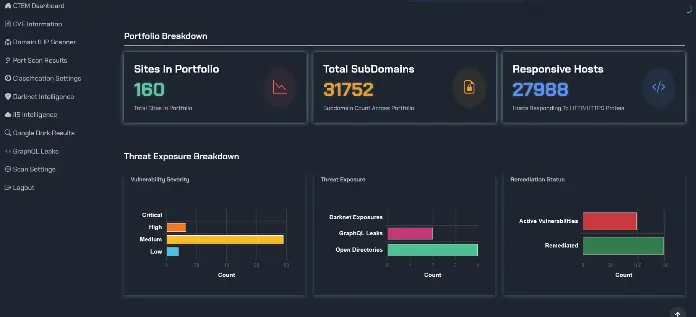
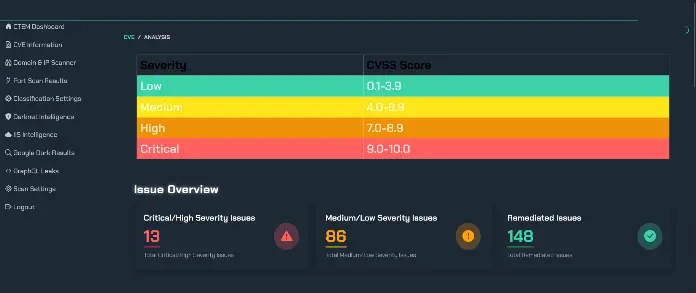
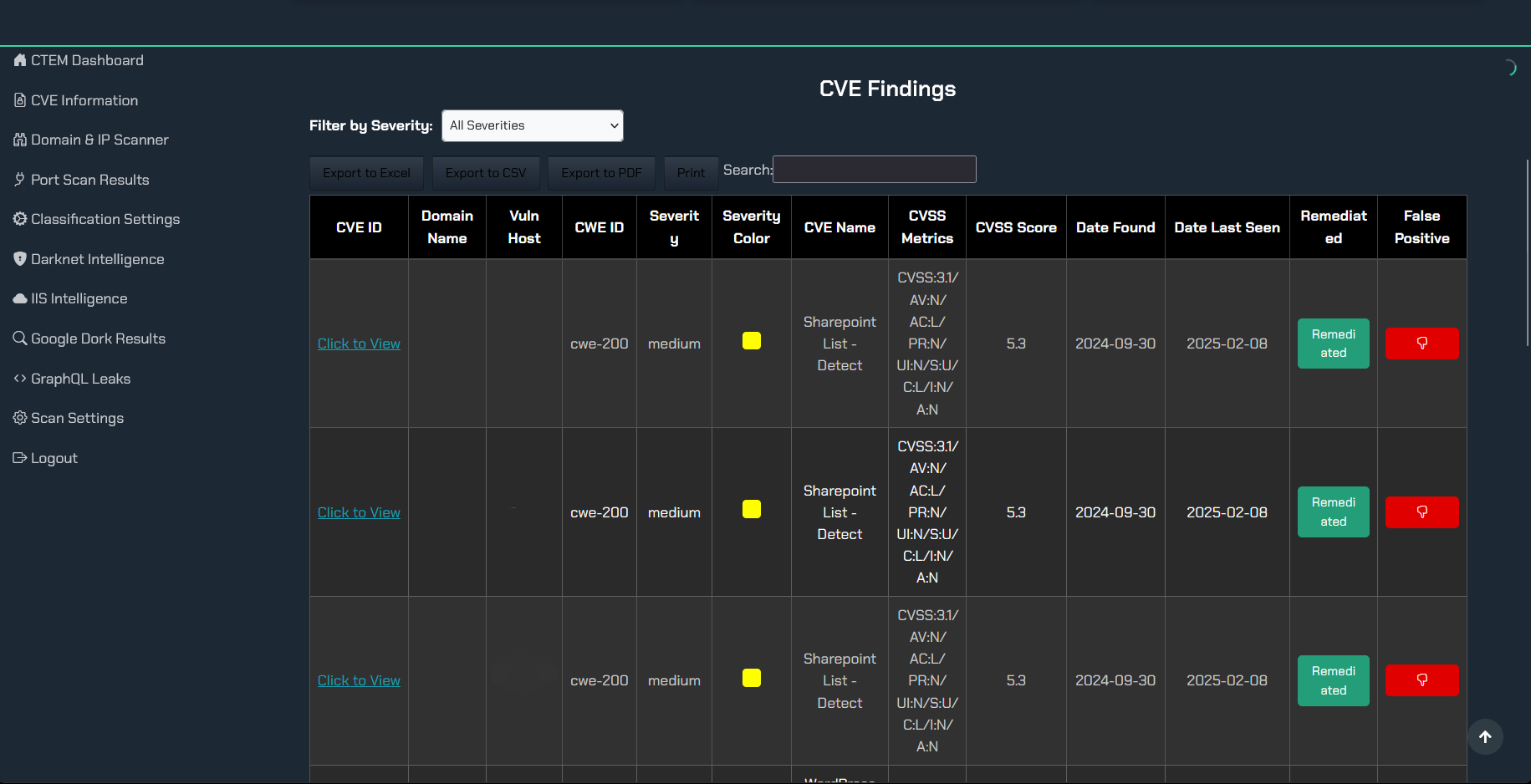
TRaViS isn't just another tool; it’s an AI-enhanced EASM platform, conceived with a singular purpose: to deliver unparalleled visibility into your external attack surface. Unlike those traditional security tools that often miss the forest for the trees, TRaViS zeroes in on discovering and remediating those critical vulnerabilities that somehow always seem to elude detection.
Here’s how TRaViS can help you finally wrestle control back from your forgotten infrastructure:
- Comprehensive Asset Discovery: Leveraging sophisticated reconnaissance techniques, TRaViS identifies all internet-facing assets tied to your organization, even those elusive shadow IT remnants and unmanaged resources. The result? A complete and remarkably accurate inventory of your external attack surface. No more guessing games.
- Continuous Vulnerability Assessment: This platform perpetually scans your external assets for known vulnerabilities, pesky misconfigurations, and other security weaknesses. It then intelligently prioritizes these vulnerabilities based on their severity and potential impact, allowing you to direct your efforts toward the most critical risks. Efficiency, darling, efficiency.
- Actionable Remediation Guidance: TRaViS doesn’t just point out problems; it offers detailed, actionable remediation guidance to empower security teams to address vulnerabilities with speed and precision. This includes everything from step-by-step instructions to best practices and links to relevant resources. Because wouldn't it be nice if tools actually helped you solve problems?
- Threat Intelligence Integration: Seamlessly integrated with leading threat intelligence feeds, TRaViS provides early warnings of emerging threats and vulnerabilities that might target your external assets. It's like having a psychic on your security team, but one that actually works.
- Scalable and Affordable: Whether you're a bustling SMB or a sprawling enterprise, TRaViS offers flexible and scalable plans to meet your unique needs. Its pricing structure aims to make robust EASM accessible to organizations of all sizes, proving that top-tier security doesn't have to break the bank.
- Integration with Existing Security Workflows: TRaViS plays well with others, integrating smoothly with your current security tools and workflows. This enhances operational efficiency and significantly lightens the load on your already stretched security teams. Plus, it diligently ensures compliance with industry standards like HIPAA, PCI, and SOC2, saving you another headache.
Consider the real-world success of a financial services company that deployed TRaViS. They unearthed hundreds of previously unknown assets, including several vulnerable web applications and tragically misconfigured cloud storage instances. By diligently remediating these newfound vulnerabilities, the company dramatically reduced its risk exposure, neatly sidestepping a potential data breach. TRaViS didn't just find the needle in the haystack; it found the entire haystack of hidden and unknown assets.
Final Thoughts: Don't Let Your Forgotten Infrastructure Haunt You

The forgotten infrastructure comprising your external attack surface isn't just a minor annoyance; it represents a profound threat to your organization's very survival. By casually neglecting this absolutely critical area, you are, in essence, leaving the door wide open for data breaches, debilitating ransomware attacks, and a host of other cyber threats. A proactive EASM strategy, particularly one powered by a sophisticated platform like TRaViS, isn't merely beneficial—it's utterly essential for regaining control and significantly reducing your overall risk exposure.
TRaViS provides the much-needed visibility, the acute intelligence, and the precise remediation guidance you require to truly shield your organization from external threats. Seriously, don't let your forgotten infrastructure transform into your next security nightmare. It’s far too expensive to learn that lesson the hard way.
FAQ's | CISO's, EASM, and ASM
Q: Why is managing the external attack surface critical for CISOs today?
A: For CISOs, managing the external attack surface is crucial because it represents the primary entry point for cyber threats like data breaches and ransomware. Neglecting forgotten infrastructure and shadow IT leaves organizations highly vulnerable, impacting financial stability, reputation, and compliance.
Q: What are the main risks associated with neglected external attack surface and forgotten infrastructure?
A: Neglecting your external attack surface leads to significant risks, including costly data breaches, ransomware attacks, severe reputational damage, and non-compliance fines. Forgotten infrastructure and unmanaged assets are prime targets for attackers seeking easy entry points.
Q: How does Shadow IT contribute to an expanding external attack surface?
A: Shadow IT involves unauthorized IT resources that extend an organization's digital footprint without security oversight. These unmanaged assets often lack proper security controls, significantly expanding the external attack surface and creating easy targets for adversaries.
Q: What are the core steps of an effective EASM strategy?
A: An effective EASM strategy involves continuous asset discovery, rigorous vulnerability assessment, risk prioritization, timely remediation, continuous monitoring for new threats, and integration with threat intelligence. This proactive approach helps reduce overall risk exposure.
Q: How does TRaViS specifically help in discovering forgotten infrastructure and Shadow IT?
A: TRaViS excels in comprehensive asset discovery, using sophisticated reconnaissance to unearth all internet-facing assets, including elusive forgotten infrastructure and shadow IT remnants. It creates a complete and accurate inventory of your external attack surface, ensuring nothing is missed.
Q: Can TRaViS ASM improve compliance for organizations?
A: Yes, TRaViS ASM significantly aids compliance by providing continuous monitoring and vulnerability assessment of your external attack surface. It helps ensure adherence to industry standards like HIPAA, PCI DSS, and GDPR by identifying and guiding remediation for risks that could lead to non-compliance penalties.
Q: What makes TRaViS a comprehensive solution for External Attack Surface Management?
A: TRaViS is an AI-enhanced EASM platform that provides unparalleled visibility into your external attack surface. It automates comprehensive asset discovery, continuous vulnerability assessment, actionable remediation guidance, and seamless threat intelligence integration, offering an indispensable solution for proactive cybersecurity.
Ready to Uncover What's Hiding in Plain Sight?
Are you ready to finally achieve complete visibility into your external attack surface and proactively manage those pesky cybersecurity risks? Schedule a demo of TRaViS today and discover firsthand how our AI-enhanced EASM platform can empower you to uncover hidden vulnerabilities and staunchly protect your organization from attack. Your future self (and your CISO) will thank you.